
Thiamine, also known as vitamin B1, contributes to the activation of T cells, suppresses oxidative stress-induced NFκB activation in macrophages, and serves as an anti-inflammatory factor (Manzetti, Zhang et al. 2014). Antigen-specific responses are decreased in folate-deficient humans and animals (Dhur, Galan et al. 1991). The good news is that making informed choices about alcohol consumption can help protect alcohol and immune system your immune health.
Get the Latest Updates in Addiction Treatment & Mental Health to Your Inbox
Post-sobriety immune recovery is a dynamic process requiring patience and proactive care. By understanding its phases and implementing targeted strategies, individuals can rebuild a resilient immune system and enhance overall well-being. Research in CBA/SIV macaques has begun to tease apart what is happening at the molecular and genetic level to breakdown the proteins that make up muscles and thereby decrease body mass.
During this phase, the immune system remains compromised, as the body redirects energy toward detoxification. Common symptoms like fatigue, insomnia, and irritability reflect this internal shift. Incorporate immune-boosting foods like citrus fruits, leafy greens, and nuts, which provide vitamin C, zinc, and antioxidants. Ethanol is primarily metabolized in the stomach and liver by alcohol dehydrogenase (ADH) and cytochrome P450 2E1 (CYP2E1) (Zakhari 2006).
Alcohol and Increased Vulnerability to Infections
In summary, alcohol leads to apoptosis of TRMs in the duodenum and disrupted immune vigilance. Three databases (PubMed, Medline, and Embase) were searched on November 22, 2023, using the keywords (“intestine,” “colon,” or “gut”) AND (“immune” or “immunol”) AND (“ethanol” or “alcohol”) in the title or abstract. Articles published in the last 20 years (January 2003 to November 2023) were included.
Q: Can regulating alcohol consumption improve immune function?
Mass spectrometric analysis of these circulating EVs unveiled a unique protein signature, indicating involvement in inflammatory responses, cellular development, and cellular movement, distinguishing ALD EVs from control EVs. ALD EV-recipient mice exhibited elevated quantities of F4/80hi CD11blo KCs and higher proportions of inflammatory/M1 KCs expressing TNF-α and IL-12/23, as well as infiltrating monocytes (F4/80intCD11bhi). Conversely, the percentage of anti-inflammatory/M2 KCs marked by CD206 and CD163 was reduced compared with that of the control EV-recipient mice. Furthermore, they also identified heat shock protein 90 present in ALD EVs as the mediator responsible for activating macrophages in response to ALD EVs 75. Alcoholic individuals are susceptible to infection owing to altered immune response. Pneumonia is one of the bacterial infections caused by the alcohol-altered immune response.
Strategies for Reducing Alcohol Intake
Ethanol modulates the function of monocytes, immature innate immune cells that circulate in the blood until recruited into tissues, in a dose and time dependent manner. Monocytes express Toll-like receptor (TLR) 4, which is the PRR responsible for recognizing the endotoxin LPS on the surface of Gram negative bacteria. Upon LPS binding, monocytes become activated, mature into macrophages and migrate into tissues where they respond to infection by secreting various cytokines, recruiting additional Oxford House leukocytes via production of chemokines and presenting pathogen-derived peptides to T cells to activate them.
Flow chemistry, AI, and NMR: A next-gen approach to scalable API production
This article explores the relationship between alcohol and immune function, highlighting how alcohol use disorder (AUD) and even moderate drinking can compromise the body’s ability to fight off infections. In addition to its impact on white blood cells, alcohol consumption can impair the overall function of the immune system. Alcohol disrupts the signaling pathways and communication between immune cells, hindering their coordinated response to pathogens. This impaired immune function can lead to an inadequate and delayed immune response, making it harder for the body to fight off infections. Consistent or heavy drinking can impair immune cell function and disrupt the balance of inflammation and cell repair.
T and B cell activation in the presence of retinoic acid results in the up-regulation of gut-homing molecules and generation of IgA-secreting B cells (Mora, Iwata et al. 2008). Consequently, deficiency in vitamin A results in https://femmecoiffure.com/why-does-alcohol-make-me-sneeze-2/ the impairment of mucosal responses (Mora, Iwata et al. 2008). Vitamin D has long been known to have a critical role in calcium and phosphorous homeostasis. In addition, antigen presenting cells convert vitamin D to 1,25(OH)2VD3, a physiologically active form of vitamin D that is highly concentrated in lymphoid tissues (Mora, Iwata et al. 2008) where it can modulate function of T and B cells which express vitamin D receptors. Vitamin D deficiency results in reduced differentiation, phagocytosis and oxidative burst, by monocytes as well as defective bactericidal activity by keratinocytes (Fabri, Stenger et al. 2011, Djukic, Onken et al. 2014). Catalase is localized to peroxisomes and requires hydrogen peroxide to oxidize alcohol into water and acetaldehyde.
Drug and Alcohol Effects on the Immune System
“Some people think of the effects of alcohol as only something to be worried about if you’re living with alcohol use disorder, which was formerly called alcoholism,” Dr. Sengupta says. Heavy drinking can also lead to a host of health concerns, like brain damage, heart disease, cirrhosis of the liver and even certain kinds of cancer. 1 Individual factors in adults that can moderate the effect of alcohol consumption on immunity.
- Acute high dose exposures inhibit whereas long-term treatments stimulate proinflammatory cytokine production.
- Substance abuse is linked to long-term health problems, such as hepatitis C and HIV, which thrive in individuals with weakened immune defenses.
- Alcohol can weaken the immune system by reducing the number and function of certain immune cells, making it harder for the body to fight off infections and diseases.
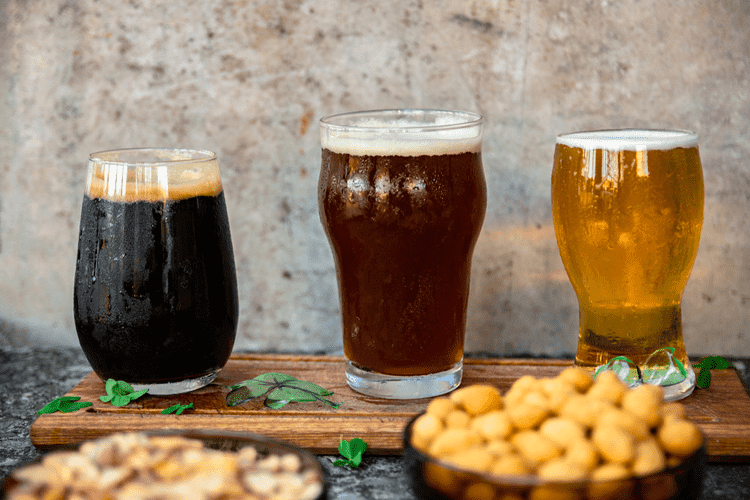
- Many alcoholic beverages, especially wine, champagne, beer, and other fermented drinks, contain histamine.
Moreover, heavy drinkers are at greater risk of developing pneumonia, tuberculosis, and other respiratory infections. The immune system’s weakened state means that even common illnesses can become more severe or prolonged. In my own experience, understanding how alcohol affects immunity has been eye-opening. It’s not just about avoiding a hangover; it’s about safeguarding your body’s ability to protect itself every day. By choosing to limit or avoid alcohol, you empower your immune system to work at its best, reducing your risk of infections and supporting overall health.
- When the immune response is compromised, pathogens may go unrecognized or not be effectively eliminated, increasing the risk of infection.
- Even light or moderate drinking may affect immunity, especially when combined with poor sleep, high stress, gut dysfunction, and poor nutrition.
- So, your system prioritizes getting rid of alcohol before it can turn its attention to its other work.
- These studies point toward alcohol’s complex dose-dependent relationship in autoimmune diseases as well as potential modulation by duration and type of alcohol consumption, cultural background and sex.
- There are no reported clinical studies on the effect of AUD on the incidence and severity of opportunistic infections in PLWHA.
- Since there is a link between alcohol and the immune system, things only escalate as heavy drinking continues.
- This dysfunction doesn’t occur overnight but accumulates over months or years of consistent alcohol abuse, making it a silent yet devastating consequence of long-term drinking.
- However, this phase is also marked by heightened vulnerability to respiratory and gastrointestinal infections.
Lab testing may reveal markers such as inflammatory cytokines, gut microbiome imbalances, liver enzyme elevations, or altered immune cell profiles. From that foundation, targeted lifestyle adjustments, nutrition protocols, and supplementation may be implemented. This approach strengthens the entire body from the inside out, going beyond simply reducing alcohol intake to focus on making your immune system stronger. In this article, I will explain how alcohol affects immune responses, healing, and long-term vitality.
