
Understanding the psychological triggers that drive gambling behavior in casinos
The Allure of Instant Gratification
One of the primary psychological triggers that drive gambling behavior is the allure of instant gratification. Casinos are designed to create an environment where players can experience immediate rewards. The thrill of winning, especially through games of chance, provides an adrenaline rush that can be incredibly appealing. While exploring options, players may find best online casinos that offer comparable excitement, leading to a continuous cycle of engagement.
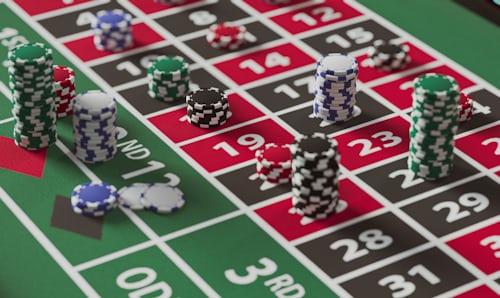
This desire for quick rewards is deeply rooted in human psychology. The brain releases dopamine, a neurotransmitter associated with pleasure, whenever a person wins or even anticipates a win. As a result, the excitement of potential success can overshadow the risks involved, leading individuals to engage in more gambling than they might initially intend.
The Role of Cognitive Biases
Cognitive biases play a significant role in how individuals perceive gambling outcomes. One common bias is the illusion of control, where gamblers believe they can influence random events, such as rolling dice or drawing cards. This belief can drive them to gamble more frequently, as they feel empowered and confident in their ability to sway results.
Additionally, gamblers often fall prey to the gambler’s fallacy, the misconception that past outcomes affect future results. For instance, if a player loses several times in a row, they might believe that a win is “due.” This erroneous thinking perpetuates a cycle of continued gambling, despite the reality that each event is independent of the last.
The Social Environment of Casinos
The social atmosphere of casinos can significantly amplify gambling behavior. Surrounding oneself with other gamblers fosters a sense of belonging and shared excitement. This communal experience can make gambling more enticing, as individuals feed off each other’s enthusiasm. The interaction among players can also create a feeling of camaraderie that distracts from the financial risks involved.
Furthermore, casinos often employ strategies to enhance social interaction, such as complimentary drinks or social gaming areas. These elements create an inviting atmosphere that encourages longer stays and increased betting. The combination of social reinforcement and environmental design makes it difficult for players to resist the urge to gamble more than they originally planned.
Emotional Escapism
Many individuals turn to gambling as a form of emotional escapism. Casinos often serve as a refuge for those looking to escape stress, anxiety, or other negative feelings. The immersive experience of gambling can provide temporary relief, allowing individuals to forget their worries and focus on the game.
This escape can become a double-edged sword. While gambling may offer short-term emotional relief, it can lead to long-term negative consequences. As individuals increasingly rely on gambling to cope with their emotions, they may find themselves trapped in a cycle of addiction that is difficult to break, further exacerbating their original emotional issues.

About Northern Stars
Northern Stars is dedicated to providing insightful content on the psychological and behavioral aspects of gambling. By understanding the triggers that drive gambling behavior in casinos, we aim to foster awareness and encourage responsible gaming practices. Our platform is committed to educating individuals about the complexities of gambling psychology and its implications for players.
Through in-depth articles and resources, we hope to empower readers to make informed choices and recognize the signs of problematic gambling behavior. By shedding light on these important topics, Northern Stars plays a vital role in promoting a safer gambling environment for all.
